
Looking after an animal brings deep joy – yet folks who truly care sometimes slip up without knowing. Tiny missteps might quietly shape how well the creature feels, acts, or lives over time.
Here’s the upside: spotting these errors makes fixing them straightforward.
Here are ten typical errors people make with pets. What follows shows how each one happens. Some owners forget regular vet visits. Others ignore changes in behavior. Feeding too much is another frequent issue. A lack of exercise often plays a role. Misunderstanding breed needs leads to trouble. Poor grooming gets overlooked easily. Using wrong training methods causes confusion. Not securing outdoor spaces risks escape. Skipping identification increases loss chances. Assuming silence means health hides problems.
Skip Routine Vet Checkups
The Mistake:
Most people show up at the clinic only after their animal seems unwell.
Why This Matters
A tail tucked low might mean nothing – or everything. Watch closely when your pet moves less than usual.
Fix It
Once each year, plan a routine health visit. Catching problems sooner through prevention can reduce costs later on.
Feeding the Wrong Diet
The Mistake:
Leftover bits from dinner plates often end up in the bowl. What’s inside matters more than it seems at first glance. Poor-grade kibble hides fillers that add little value. Checking labels takes seconds yet changes everything. Some bags promise much but deliver empty calories instead.
Why This Matters
When food lacks nutrients, weight gain might follow. Allergies sometimes show up too. Stomach troubles pop into play. Energy levels drop without good fuel.
Fix It
Picking the right food means looking at what your pet needs based on how old they are, how big, and their kind. Labels tell you what is inside, so take a moment to read them carefully. A chat with your vet can point you toward smarter choices.
Overfeeding Is More Common Than You Think
The Mistake:
Feeding more snacks than needed when a pet seems to want them. Portion sizes grow just because eyes appear pleading. A little extra slips in each time hunger shows on their face
Why This Is an Issue
Too much food lands pets in heavy trouble.
Fixing It
A single bite too much can shift balance – stick to measured amounts instead. Snacks fit best saved for praise moments, never main dishes. Joy shows more when bellies stay well looked after.
Ignoring Mental Stimulation
The Mistake:
Looking closely at what you eat along with how your body feels. What matters here is fuel plus movement, nothing more.
Why This Is an Issue
When animals feel uninterested, they might start acting out. Sometimes sadness shows up instead of energy. A quiet mood can take over if there’s nothing to do. Restlessness creeps in without activity. Empty moments lead to trouble at home.
How to Fix It
Puzzle toys spark curiosity during quiet moments. Interactive games shift focus when energy builds up. Training sessions add routine with small wins. Daily play keeps minds sharp through movement and challenge.
Lack of Proper Exercise
The Mistake:
Just because there is space inside does not mean movement happens. Little steps around a room rarely meet needs. Staying close to home most days adds up wrong. What seems fine often falls short without notice.
Why This Matters
When pets do not move enough, they pack on pounds while odd habits start showing up.
Fix It
A little movement each day fits well with how lively your pet feels. Strolls outside might work, yet tossing a ball indoors could do just as much. Even short games during the afternoon help keep things balanced.
Skip Grooming and Skip Hygiene
The Mistake:
Waiting until fur gets shaggy before brushing it
Why This Is an Issue
Dirty fur might lead to tangled hair, sore skin, tooth problems. Bugs could show up too if care slips.
Fix It
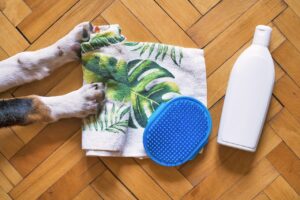
Start with a toothbrush each day, then take time to clip those nails. Ears need attention too – keep them clear. Dental routines matter more than most think. Care isn’t only how things look – it ties straight to well-being.
Starting Too Late
The Mistake:
Training only after missteps show up.
Why This Is an Issue
Moving slowly on a problem makes it grow. Fixing things late means more trouble later.
How to Fix It
Puppies learn best when lessons begin young, especially with rewards guiding their choices. Simple words like sit or stay build trust while keeping everyone out of danger.
When Pets Get Treated Like People
The Mistake:
Treating pets exactly like humans.
Why This Is an Issue
Furry companions feel things differently from people. Their bodies want what ours do not.
How to Fix It
Love them, yet honor how they naturally act and what limits they have. Pay attention to the signals their bodies give plus trust their gut reactions. What matters is seeing things from their point of view while staying aware of subtle cues.
Ignoring Warning Signs
The Mistake:
Overlooking slight shifts in how someone acts, eats, or feels day to day.
Why This Is an Issue
A small sign today might point to a bigger problem later. What seems harmless could mean something deeper is going on. Watch how things change over time. Sometimes quiet warnings matter most.
Fix It
When things shift, take note. A visit to the vet might be needed if behavior seems unusual. Gut feelings matter – listen to them.
Failure to Ensure Safety
The Mistake:
Out of sight, those sharp things sit just where little hands can grab them.
What Makes This an Issue
Many household items are toxic or dangerous to pets.
Fix It
Start by locking up cleaning supplies where paws can’t reach. Some snacks people love are tough on animal bellies, so store them out of sight. Things that seem too small to matter? They often become trouble if swallowed. A quick sweep under furniture helps more than you might think.
Final Thoughts
Mistakes happen. Yet every fix brings better days for your animal companion. Skip the errors many make, then watch small changes add up to stronger trust, brighter eyes, more years together. Growth matters more than getting it right the first time.
Furry friends look up to their humans. Given proper attention, each one gives endless affection without asking a thing in return